


The price at the pump is more than just a line item in your monthly budget
It’s a hidden engineer shaping the very way we use our nation’s roads. From a historic national speed limit to subtle shifts in driver behavior, the fluctuating cost of fuel, often a direct result of global events, has a profound impact on traffic operations in the United States.

The 55 MPH Mandate
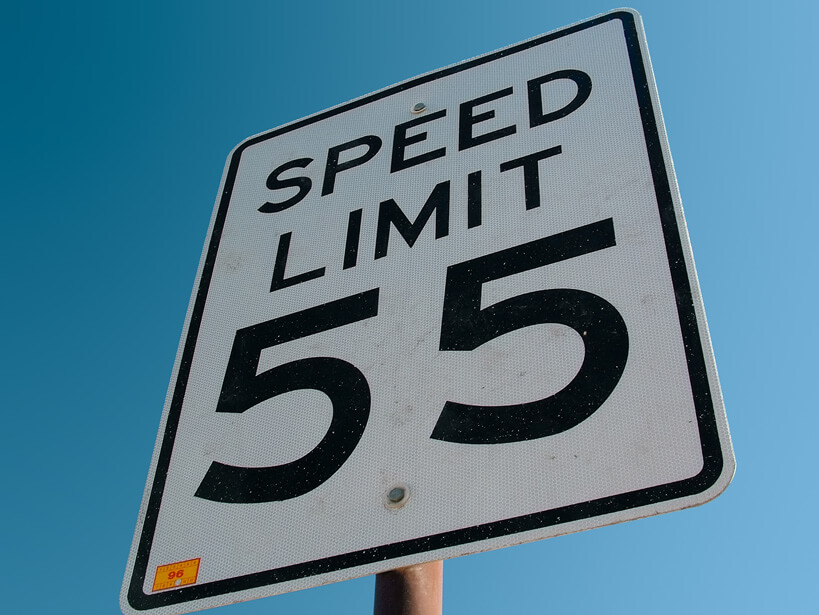
The most dramatic policy response to a fuel crisis was the National Maximum Speed Law (NMSL). Enacted in 1974 following the 1973 oil crisis, this law set a maximum speed limit of 55 mph on any public road in the country. The primary goal was fuel conservation. The law remained in effect until 1987, a 13-year period where speed and fuel efficiency were legally intertwined on a national scale.
Since the NMSL was repealed, cars are made to go faster, speed limits have steadily climbed on freeways and other major roads, so people can get to their destinations faster. But does that mean we’re done feeling the effects of fuel prices on our driving? Not at all.
The Relationship Between Fuel, Speed, and Traffic Flow
The question today is more nuanced. How do ordinary, day-to-day fluctuations in fuel prices, like the significant variations seen between regions between 2022 to 2023, affect driver behavior and road performance?
Higher prices might encourage drivers to:
- Reduce Speed: Slower speeds generally mean better fuel economy, a direct incentive when gas is expensive.
- Drive Less: Commuters might shift to public transit, carpooling, or even teleworking, reducing the overall traffic volume.
These two effects can have conflicting results on our roads:
- Slowing Down naturally reduces the average speed.
- Driving Less reduces congestion, which can allow the remaining cars to travel at higher speeds than they would in a traffic jam.
Which trend dominates depends heavily on the specific road, location, and severity of congestion.
Unlocking the Data with NTDAS
To move beyond intuition and truly quantify these impacts, we need robust data, and that’s where the data provided from NTDAS comes in.
The NPMRDS provides average speeds for major roads across the U.S. This gives us the “system state”—the output of all these driving decisions.

Incorporating External Data to Support Relationship Analysis
- Fuel Price Data: We can use information from sources like the U.S. Energy Information Administration (EIA), which tracks gasoline prices by region over time. This provides the “input” factor.
- Traffic Volume: While the NPMRDS doesn’t directly measure traffic volume hour by hour, we can reference the National Transportation Data Archive System (NTDAS) for Annual Average Daily Traffic (AADT) to get a baseline context.
By fusing these datasets, matching the precise speed measurements from the NPMRDS with external fuel price trends from NTDAS, researchers can test hypotheses about driver response. Are drivers on a congested urban freeway more likely to see reduced speeds due to slowing down? Or are drivers on a rural interstate more likely to simply reduce their trips, leading to minor changes in average speed?
EVs and Infrastructure
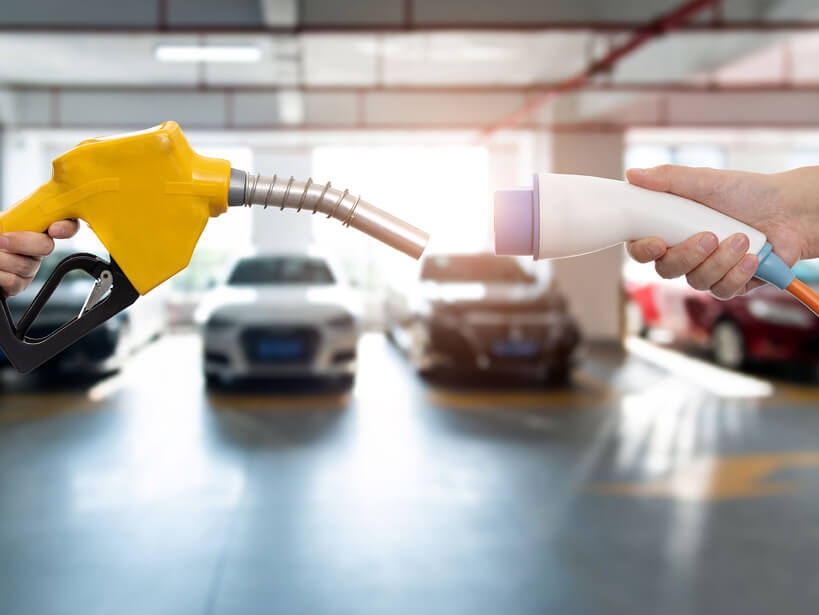
The analysis is getting even more complex with the rapid spread of electric vehicles (EVs) and other non-gasoline fuel vehicles. For an EV driver, the price of gasoline is irrelevant.
- As the fleet mix changes, how will the overall average speed on a corridor be affected?
- Does the presence of recharging and refueling infrastructure (or the lack thereof) influence travel decisions differently than gasoline prices?
- Does the rise of EV use, drive the price of gasoline one way or the other (supply and demand)?
These emerging factors add layers to the “Great Speed Debate,” making the need for data-driven analysis like that possible with the NTDAS more critical than ever. The road ahead requires us to continue monitoring these trends to ensure our transportation policies are effective, efficient, and responsive to the evolving economic and technological landscape.